Source Vintage Luxury Crystal Whiskey Decanter for Bars, Gifts, and Events
Find 30 options for a vintage luxury crystal whiskey decanter suitable for bars, promotional gifts, and special events. Buyers can compare specifications like capacity, material, and customization features to select the right product for their needs.
Key considerations
Products List


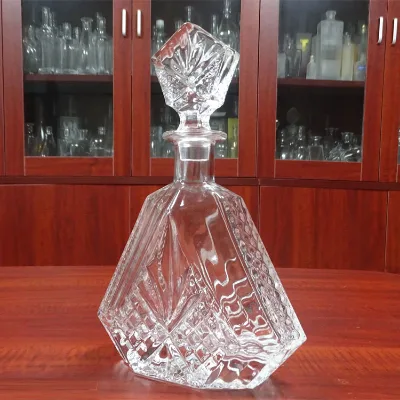
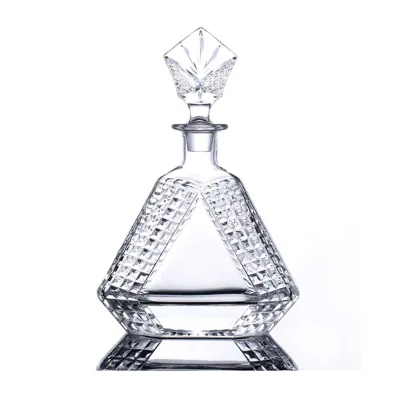
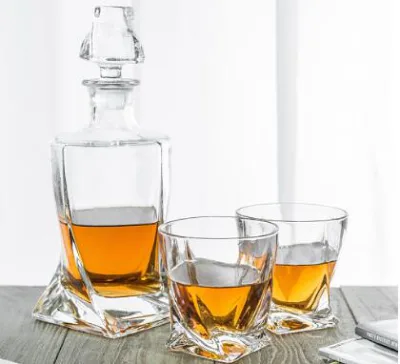
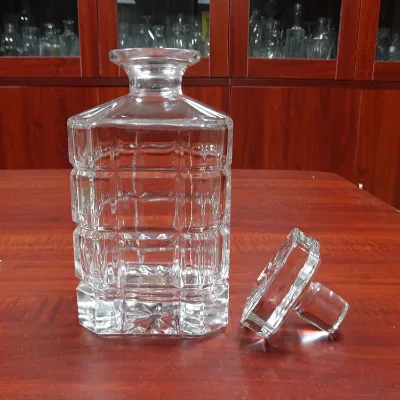
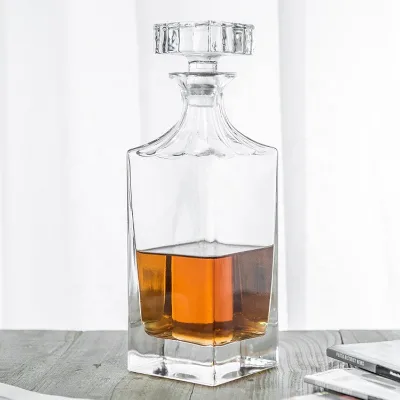


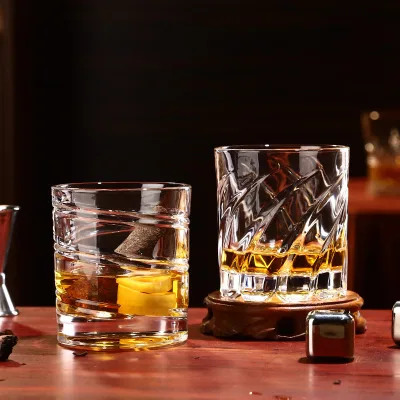


Comprehensive Sourcing Guide
Vintage Luxury Crystal Whiskey Decanter Sourcing Guide
Sourcing high-end glassware for commercial or promotional use requires a nuanced understanding of material properties, regulatory compliance, and supply chain logistics. The market for vintage luxury crystal whiskey decanters is characterized by a blend of aesthetic appeal and functional utility, often targeting the hospitality industry, corporate gifting sectors, and premium retail channels. Buyers must navigate a landscape where "crystal" and "glass" are used interchangeably in marketing but represent distinct material classes with different durability, clarity, and cost profiles. This guide provides evidence-based procurement strategies to help buyers identify reliable suppliers, verify product quality, and mitigate risks associated with international sourcing.
The following sections detail the critical aspects of sourcing these products, drawing from observed market data and standard industry practices. By focusing on technical specifications, compliance documentation, and commercial terms, buyers can make informed decisions that align with their brand positioning and operational requirements. The goal is to provide a comprehensive framework for evaluating suppliers and products, ensuring that the final procurement delivers value, safety, and aesthetic integrity.
Product Scope and Observed Listing Signals
The observed market for whiskey decanters and related glassware exhibits a wide range of product configurations, materials, and price points. Listings indicate a price range from $0.30 to $45.00 USD, reflecting the diversity from basic glass promotional items to high-end crystal sets. The minimum order quantity (MOQ) typically ranges from 50 to 3,000 pieces, with some suppliers specifying an MOQ of 500 pieces for customized orders. This variability suggests that buyers can access both small-batch custom solutions and large-scale production runs, depending on their volume needs and budget constraints.
Product attributes observed in the market include materials such as glass and crystal, with specific models like "Wine Decanter," "SHUN-G003," and "HWDS-001" indicating distinct design lines. Capacities vary significantly, with some products standardized at 750ml or 850ml, while others offer customizable capacities ranging from 100-450ml to 751-1000ml. Features such as anti-corrosion properties, eco-friendly materials, and dishwasher safety (or lack thereof) are key differentiators. Additionally, customization options for logos, packaging, and design styles (casual, classic, modern, or modern luxury) are widely available, catering to diverse branding needs.
Technical Specifications to Verify
When evaluating technical specifications, buyers must distinguish between standard glass and crystal materials, as this impacts clarity, weight, and durability. Observed materials include "Glass" and "Crystal," with some products labeled as "Glass Products." It is crucial to verify the lead content or lead-free status of crystal decanters, as this affects both safety and regulatory compliance. Buyers should request detailed material certificates to confirm the composition, especially if the product is marketed as "luxury" or "vintage" style, which often implies higher quality materials.
Capacity and size specifications are critical for functional alignment with target beverages. Standard whiskey decanters often hold 750ml or 900ml, but custom sizes are available. Buyers should verify the internal volume against the external dimensions to ensure accurate filling and storage. Additionally, closure types, such as cork stoppers, should be inspected for fit and seal integrity to prevent leakage and oxidation. The presence of features like "anti-corrosion" or "eco-friendly" claims should be substantiated with material data sheets, ensuring that these attributes are not merely marketing terms but reflect genuine product characteristics.
Compliance and Safety Documentation
Compliance with international safety standards is non-negotiable for food-contact glassware. Observed certifications include LFGB, FDA, and CE/EU, which are critical for markets in Europe, North America, and beyond. Buyers must verify that these certifications are current and issued by accredited bodies, as counterfeit or expired certificates are a common risk in international trade. LFGB certification is particularly stringent for the German and European markets, ensuring that materials do not leach harmful substances into food or beverages.
In addition to material safety, buyers should inquire about specific test reports for heavy metal leaching, particularly lead and cadmium, if the product is marketed as crystal. While some listings claim "eco-friendly" attributes, buyers should request evidence of sustainable manufacturing practices or recyclability certifications. Documentation should also cover the safety of ancillary components, such as cork stoppers or packaging materials, ensuring they meet relevant food-grade or environmental standards. Clear and accessible compliance documentation is a strong indicator of a supplier's reliability and commitment to quality.
Cost Drivers and Commercial Terms
Cost structures for whiskey decanters are influenced by material quality, customization complexity, and order volume. The observed price range of $0.30 to $45.00 USD highlights the impact of these factors, with higher prices typically associated with crystal materials, intricate designs, and premium packaging. Buyers should analyze the cost breakdown to understand the value proposition, distinguishing between base product costs and additional fees for customization, such as logo printing or special packaging.
Commercial terms, including payment methods and shipping arrangements, vary among suppliers. Observed payment options include PayPal, Western Union, credit card, and TT (Telegraphic Transfer), each with different security and convenience levels. Buyers should negotiate clear terms for sample provision, as many suppliers offer samples for quality verification. Additionally, lead times and shipping methods should be agreed upon in advance, considering the fragility of glass products and the need for secure packaging, such as bubble bags, foam, or wooden boxes, to prevent damage during transit.
Supplier Qualification and Quality Control
Supplier qualification is a critical step in mitigating procurement risks. Buyers should assess suppliers based on their production capacity, quality control processes, and track record. Observed supplier capabilities include customization of capacity, size, and packaging, indicating flexibility in meeting specific buyer requirements. However, buyers must verify these claims through audits or third-party inspections, especially for large orders or high-value products.
Quality control measures should be explicitly defined in the purchase agreement. This includes pre-production sample approval, in-process quality checks, and final random inspections before shipment. Buyers should request detailed inspection reports and photos of the production line to ensure adherence to agreed specifications. Additionally, suppliers should have a clear process for handling defects or non-conforming products, including replacement or refund policies. Establishing a robust quality control framework ensures that the final products meet the buyer's standards for aesthetics, functionality, and safety.
Long-Term Procurement Checks
Long-term procurement success depends on continuous supplier performance monitoring and relationship management. Buyers should establish key performance indicators (KPIs) for delivery times, product quality, and communication responsiveness. Regular reviews of these metrics help identify potential issues early and foster a collaborative partnership with the supplier. Additionally, buyers should stay informed about changes in regulatory requirements and market trends, ensuring that their procurement strategies remain compliant and competitive.
Sustainability and ethical sourcing are increasingly important considerations for long-term procurement. Buyers should evaluate suppliers' commitment to environmental practices, such as waste reduction, energy efficiency, and responsible material sourcing. This not only aligns with global sustainability goals but also enhances brand reputation. By maintaining a proactive approach to supplier management and staying adaptable to market changes, buyers can secure a reliable supply of high-quality whiskey decanters that meet their evolving business needs.
FAQs
What certifications do these decanters have?
The products hold LFGB, FDA, and CE/EU certifications. These credentials ensure the glass and crystal materials meet international safety standards for food and beverage contact. Buyers can verify these documents to confirm compliance with regulatory requirements in their target markets before placing bulk orders.
Can I customize the logo on the decanter?
Yes, customized logos are acceptable for these items. The supplier accepts OEM requests, allowing buyers to brand the glass or crystal surfaces. This customization supports commercial gift advertising and promotion, making the decanters suitable for corporate gifting or branded retail distribution.
What is the minimum order quantity for these sets?
The minimum order quantity is 500 pieces. This threshold applies to the single units or sets available. Buyers seeking smaller quantities may need to request samples first, as the standard MOQ ensures efficient production runs for the glass and crystal manufacturing processes.
Are these decanters dishwasher safe?
No, these specific crystal and glass decanters are not dishwasher safe. Buyers should hand wash them to preserve the material integrity and finish. This care requirement is typical for high-quality crystal items to prevent clouding or damage from harsh dishwasher detergents and heat.
What packaging options are available for shipping?
Packaging includes bubble bags, foam, wooden boxes with black velvet, and cartons. Options vary by product model, with some sets offering 8 or 9 pieces per set. Customized packaging is also acceptable, allowing buyers to tailor the presentation for retail or promotional purposes.
What capacities are available for the whiskey decanters?
Capacities range from 100-450ml to 751-1000ml, with standard sizes like 750ml and 850ml. The product line includes various models such as SHUN-G003 and HWDS-001. Buyers can select the volume that best fits their specific whiskey or spirit serving requirements.